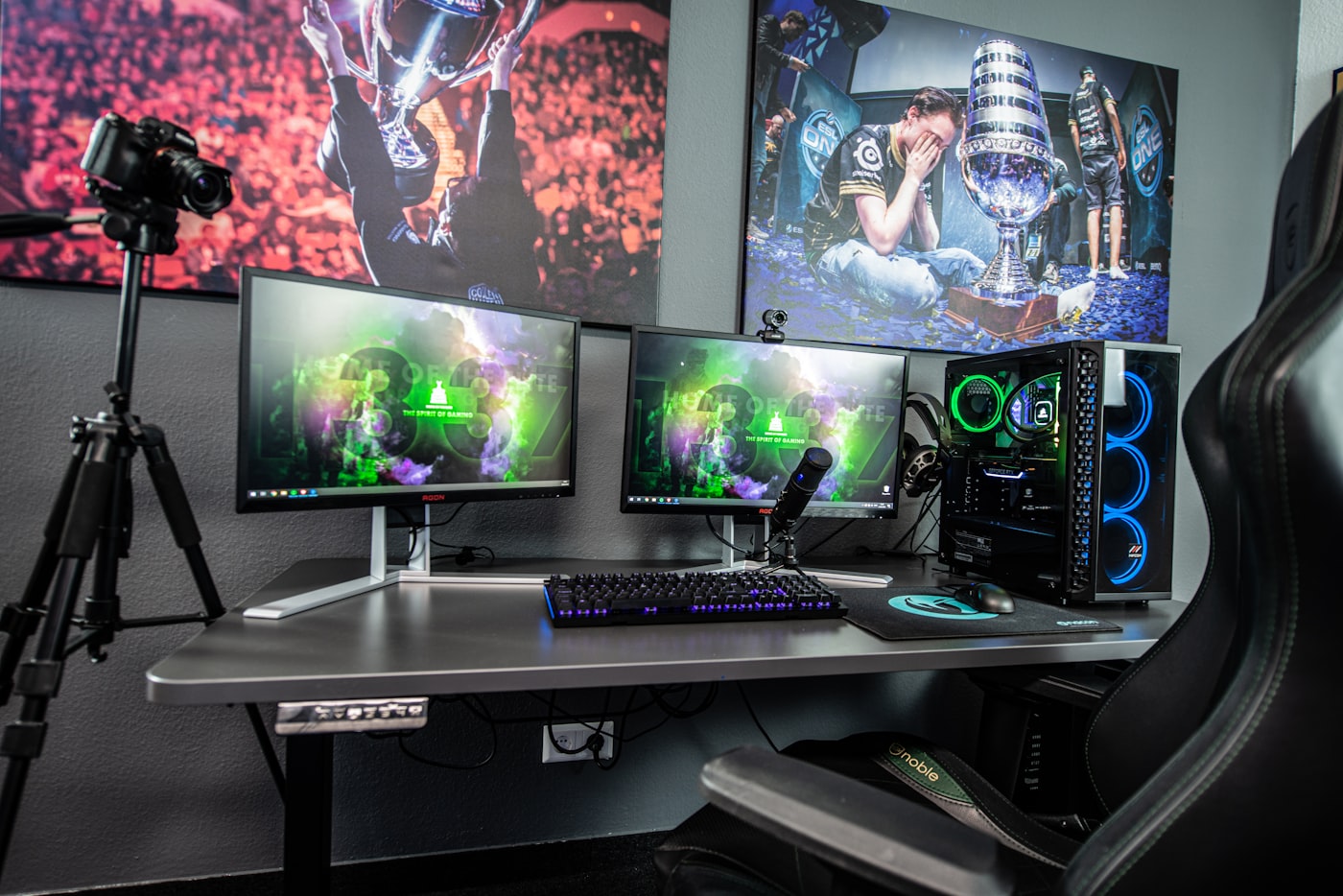
The television studio feels different when you know it might be your last season. Sarah Chen remembers that feeling vividly. After twelve years anchoring the evening news, she found herself questioning whether the camera she'd grown so comfortable with was becoming a limitation rather than a platform.
For decades, television presented an insurmountable barrier to entry. You needed studio time, broadcast licenses, and approval from countless gatekeepers. Today, that landscape has fundamentally shifted. The presenters who once commanded prime-time slots are discovering that their skills translate remarkably well to platforms where they control the narrative, the schedule, and the creative direction.
Considering your own transition? Explore how we guide media professionals through this evolution.
The Skills That Transfer

Marcus Webb spent fifteen years hosting a popular morning show. When he made the switch to producing video content for digital platforms, he assumed he'd need to learn everything from scratch. What he discovered surprised him: the fundamentals remained constant. Understanding pacing, knowing how to hold an audience's attention, the ability to condense complex information into digestible segments—these skills didn't disappear. They simply found a new home.
The technical aspects proved easier than expected. Camera presence doesn't change whether you're broadcasting to two million viewers or building an audience of fifty thousand subscribers. The difference lies in immediacy. Digital platforms provide instant feedback. You know within hours whether your content resonates. That feedback loop becomes invaluable.
"I spent years wondering if anyone actually connected with what I was saying on television. In digital media, I know within a day. That connection feels more authentic." — Former national news anchor, now independent content creator
Building Without Gatekeepers
Elena Rodriguez remembers the frustration of pitching segment ideas to network executives. Months of development could vanish with a single "not for our demographic" dismissal. When she launched her investigative journalism channel, she expected similar resistance. Instead, she found something unexpected: direct access to an audience that wanted exactly what she was creating.
The Financial Reality
Television contracts offer stability. Digital platforms offer potential. The transition period requires careful planning. Most successful transitions involve a hybrid phase where presenters maintain some television work while building their digital presence. This reduces risk while allowing time to develop an audience.

Revenue streams diversify in digital spaces. Advertising remains present, but sponsorships, membership models, and direct audience support create multiple income sources. Tom Bradshaw, who transitioned from sports broadcasting five years ago, notes that his income now comes from seven different sources. Television offered one check per month. Digital platforms require more active management but provide greater control over earning potential.
Navigating the Transition
The path from television to digital media rarely follows a straight line. Each presenter brings different strengths, faces unique challenges, and needs customized approaches. We've worked with dozens of broadcast professionals through this evolution, and patterns emerge while individual circumstances vary significantly.
Platform Strategy Development
Understanding which platforms align with your content style and audience. Some presenters thrive on long-form video platforms, others find their voice through podcasting or written content. We analyze your strengths and match them to digital opportunities.
Content Production Guidance
Television production involves large teams. Digital content often requires a one-person operation or small crew. We teach efficient workflows, equipment selection, and production techniques that maintain broadcast quality without broadcast budgets.
Audience Development Systems
Building a following from zero differs significantly from inheriting an established television audience. We implement proven strategies for audience growth, engagement optimization, and community building that work specifically for former broadcast professionals.
Monetization Architecture
Creating sustainable income across multiple digital revenue streams. We help structure sponsorship approaches, membership tiers, and complementary income sources that align with your content and audience expectations.
Technical Foundation Setup
Equipment, software, and technical workflows optimized for independent content creators. From camera selection to editing software to distribution tools, we provide practical recommendations based on your specific content type and budget.
Complete Transition Program
Comprehensive guidance covering all aspects of the television-to-digital transition. Includes strategy, production, audience building, monetization, and ongoing support throughout your first year of independent content creation.
The Timeline Reality
Expectations matter. Jennifer Park assumed she could replicate her television audience immediately. She had hosted a popular lifestyle show for eight years. When her first digital video received three hundred views, disappointment set in. Three months later, with consistent content and refined approach, her videos averaged twenty thousand views. A year after that, she surpassed her television audience reach.
The transition typically requires twelve to eighteen months before income matches television salary levels. During this period, patience becomes essential. Growth happens in stages. Early videos feel like shouting into emptiness. Then a single piece of content connects, and the audience begins building. Consistency matters more than perfection.
"I wish someone had told me that my tenth video would perform better than my first. And my hundredth would outperform my tenth. Television taught me to make every show count. Digital media taught me that volume and consistency build momentum."
— Former talk show host, now running successful interview podcastCreative Freedom and Its Challenges
Complete creative control sounds appealing until you face the blank page with no executive producer offering direction. David Kim found this aspect most difficult. After twenty years in structured television environments, he struggled with unlimited options. What content should he create? How long should episodes run? What topics would resonate?
The solution came from audience interaction. His digital community told him directly what they wanted. Television executives had filtered audience feedback through focus groups and ratings data. Digital platforms provide unfiltered communication. Comments, shares, and direct messages create a conversation that informs content direction.
The Support System
No presenter makes this transition alone successfully. The skills required extend beyond on-camera presence. Understanding analytics, mastering platform algorithms, managing business operations, maintaining consistent output—these elements require either new expertise or trusted partners who provide guidance.
Lisa Tran credits her successful transition to recognizing what she didn't know. Rather than attempting to master every aspect independently, she sought specific guidance for technical challenges while focusing her energy on content creation. This approach accelerated her timeline significantly.
Ready to Explore Your Options?
We work with broadcast professionals at every stage of considering or executing the transition to digital media. Whether you're actively planning your exit from television or simply exploring possibilities, we provide perspective based on dozens of successful transitions.
What Doesn't Transfer
Honesty requires acknowledging limitations. Some aspects of television work don't translate to digital spaces. The team support structure changes dramatically. In television, producers handle research, editors manage post-production, and technicians ensure audio quality. Digital content creators often fill all these roles initially.
The social dynamics differ as well. Television creates instant credibility. People recognize you, trust your expertise, assume your authority. Digital platforms require earning that credibility from zero. Your television background helps, but audiences need convincing that you're worth their time and attention.
The Financial Structure
Television salaries arrive predictably. Digital income fluctuates monthly. Some months exceed expectations, others disappoint. Building financial stability requires planning. Most successful transitions involve maintaining emergency reserves that cover six to twelve months of expenses.
Revenue typically starts minimal. Early months might generate a few hundred dollars. As audience grows, income increases non-linearly. A tipping point exists where momentum builds rapidly. Understanding this curve prevents premature abandonment of otherwise viable digital ventures.
Looking Forward
The media landscape continues shifting toward creator-controlled platforms. Television remains relevant but represents one option among many rather than the default choice for reaching large audiences. Presenters who adapt to this reality position themselves for long-term sustainability.
Technology improvements reduce barriers continuously. Equipment costs decline while quality increases. Platform features become more creator-friendly. Distribution reaches global audiences effortlessly. The advantages that once belonged exclusively to major networks now exist for independent creators.
Your Transition Strategy
Every broadcast professional's situation differs. Career stage, financial requirements, content specialization, risk tolerance—these factors shape the optimal transition approach. We assess your specific circumstances and create customized pathways that balance opportunity with practical realities.
The conversation costs nothing. The insights might prove valuable regardless of whether you work with us directly.
Get Started
Share some details about your background and goals. We'll respond within two business days with initial thoughts specific to your situation.
The information provided on this website is for educational and informational purposes only. Individual results may vary significantly based on numerous factors including but not limited to existing audience, content quality, consistency, and market conditions. This content does not constitute professional career advice. We recommend consulting with financial and legal professionals before making significant career transitions. Success stories mentioned represent individual experiences and do not guarantee similar outcomes.